
Quick answer
Pause and listen before giving another tip. Your child might need a break, an easier target, a smaller swing, or a club that feels better in their hands. If they want to stop, stop. They don't need to hit one good shot before they're allowed to be done.
Frustration is usually a setup signal
A frustrated child is not always telling you they dislike golf. Sometimes they’re telling you the next turn is too hard, the club is awkward, the ball is too small for the moment, the instructions are piling up, or the session has gone too long.
Sometimes your child needs less instruction and an easier game. Ask what they want to try, or whether they’d rather put the club away for today.
Keep it simple
A calmer next turn beats a better lecture.
A five-step reset when golf stops being fun
Use this sequence before you decide the child is done with golf. The point is not to save every practice session. The point is to give the child a fair chance to leave with one playable moment.
- Pause the swing advice. Say less for one or two turns. Let the child breathe.
- Make it easier. Move the target closer, try a smaller swing, or check that the tee height suits the club. Ask whether your child wants to try again or take a break.
- Pick one job. Try "brush the tee," "hold your finish," or "hit it toward the red bucket." Avoid stacking cues.
- Change the activity. Move from full swings to rolling, chipping, target toss, or a short backyard game.
- Let them stop. If your child is tired, upset, or done playing, put the club away. They don’t have to earn a break with a good shot.
Say less, show more
Golf adults can accidentally turn one miss into five instructions. A child who just missed the ball may hear grip, stance, eyes, head, knees, turn, and tempo all at once. That usually makes the next swing feel smaller, not easier.
The PGA of America youth golf guide tells parents to keep fun at the center and avoid getting too serious too quickly. In a frustrating moment, that means one cue, one demonstration, and one easier target.
- Try "let's make this one easier" instead of "you’re doing it wrong."
- Try "brush the tee" instead of a full swing breakdown.
- Try "show me your finish" instead of "keep your head down."
- Try "three more turns, then we stop" instead of an open-ended bucket.
Check whether the club is making golf harder
Sometimes the frustration is not the child's effort. It’s the equipment. A club that’s too long, too heavy, or wrong for the child's hand preference can make the swing feel awkward before the child has a chance to enjoy the game.
PGA of America junior club guidance calls out club length, shaft flexibility, and weight as fit factors for young players. It also warns that a driver that’s too long can make center-face contact harder for a junior golfer.
If fit is the main question, use the full kids golf club size by age guide. If missed contact is the trigger, read why does my child keep missing the golf ball?.
Change the challenge, not the child
A frustrated child doesn’t always need more pressure. They may need a different version of the same task. Move from a real ball to a foam ball, from a full swing to a half swing, from a tiny target to a big one, or from five more minutes of practice to one final easy turn.
Golf Monthly's junior golf guidance gives the same parent-side theme: encourage rather than overload, use simple warm-ups or practice swings, and change the challenge, club, or environment when the session is not working.
| What you see | Try this reset | Why it helps |
|---|---|---|
| Repeated whiffs | Tee it up, move closer, or switch to a bigger practice target. | The child gets a simpler chance to hit the ball. |
| Angry after correction | Stop talking mechanics and show one short swing. | The next turn feels less like a test. |
| Tired body language | Put the club away and take a break. | The child leaves before golf becomes a fight. |
| Afraid to hit a real ball | Use a foam or plastic practice ball in a safe space. | The child can swing without worrying about a hard-ball result. |
| Club looks hard to control | Check length, weight, handedness, and grip comfort. | The setup may be bigger than the child can manage. |
Know when to stop
A short session that ends well is better than a long session that teaches a child to dread the next bucket. If your child is no longer safe, can’t follow one simple cue, or is trying not to swing, the useful practice window has probably closed.
For normal session length, use how long should kids practice golf?. For a broader play-first plan, use how to make golf fun for kids.
Check comfort before adding another tip
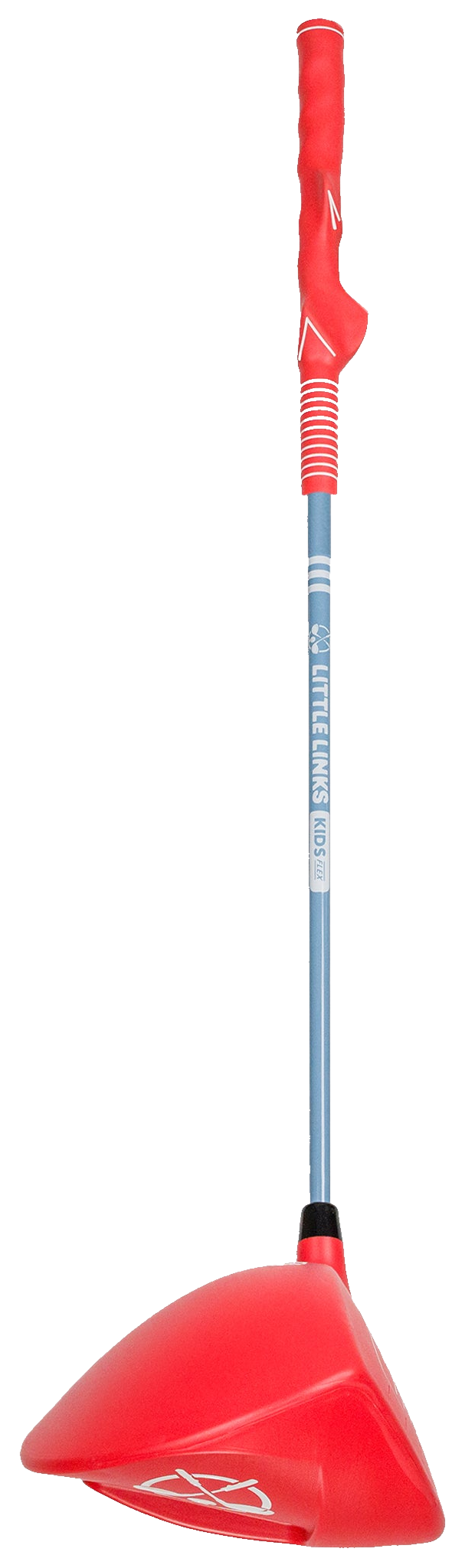
If the club feels awkward, check its size and grip. The Big Swing Driver has an oversized head, a training grip, and sizes for young golfers. Equipment is one thing you can adjust; sometimes what your child needs most is a break and a little encouragement.
FAQ
What should I do when my child gets frustrated with golf?
Pause before adding more swing advice. Make the next turn easier by shortening the session, removing the score, using a safer practice ball or tee setup, giving one simple target, and stopping before frustration becomes the memory.
Why does my child get frustrated learning golf?
Golf can feel hard when the ball won’t move or too many tips arrive at once. Your child may also be tired or simply want something else. Listen first, then offer an easier game or a break.
Should I correct my child's golf swing when they are upset?
When a child is upset, fewer corrections usually work better. Pick one simple cue, show it once, and then change the activity if the child can’t reset. A calm parent response matters more than another technical explanation.
Can the wrong golf club make kids frustrated?
Yes. A club that’s too long, too heavy, or too hard for the child to control can make early swings feel harder. Check length, weight, handedness, grip comfort, and whether the practice setup matches the child's age and strength.
When should I stop a kids golf practice session?
Stop when your child is tired, angry, unsafe, or no longer wants to play. They don’t need one more swing before taking a break.
Where does the Little Links Big Swing Driver fit?
If the club feels awkward, check its size and grip. The Big Swing Driver has an oversized head, a training grip, and sizes for young golfers. Equipment is one thing you can adjust; sometimes what your child needs most is a break and a little encouragement.