
Quick answer
Bring comfortable clothes, water, sun protection for an outdoor lesson, and a small snack if the program allows it. Ask the coach whether clubs are provided before you buy or pack a set. Your child doesn't need a perfect swing for their first lesson. They just need to be ready to give it a try.
What to expect: comfort comes first
A first golf lesson doesn’t need to feel like a test. For most kids, the first win is simple: they meet the coach, feel safe in the space, learn one or two basics, and leave wanting another turn.
Your child can settle in while the coach leads the activities. Help with the practical details, then give them space to listen and try.
Before their first lesson
Pack the basics, arrive calm, ask the equipment question early, and give the child room to listen to one coach.
First golf lesson checklist
Use this as a simple packing list. Your child's coach or program may have its own rules, so check the confirmation email first.
- Comfortable clothes: Choose clothes that let your child turn, bend, walk, and swing without fuss.
- Athletic shoes: Golf shoes are helpful only if your child already has them. Athletic shoes are often enough for a beginner lesson.
- Water: Bring a bottle the child can open and use without help.
- Weather items: For outdoor sessions, think sunscreen, hat, light layer, or rain plan.
- Small snack if allowed: Ask the coach or program first, especially for group lessons or camps.
- A right-sized club if required: Do not assume your child needs a full set for lesson one. Ask whether clubs are provided.
- A simple parent note: Write down handedness, age, height, previous golf experience, and anything the coach should know about attention or confidence.
Does your child need their own clubs?
Not always. The PGA of America Coaching Center junior program page shows that some beginner classes can include rental clubs, while more advanced classes may ask families to bring their own. That’s exactly why parents should ask before buying.
Ask: “Does my child need to bring clubs, or do you provide them?” If clubs are required, ask which ones. If your child already owns a club, the coach can help check its fit.
| Situation | What to do | Why it helps |
|---|---|---|
| Program provides clubs | Use the provided equipment for lesson one. | It keeps the first session simple and avoids rushing a purchase. |
| Coach asks for one club | Bring the right-sized club the coach requested. | The child can learn with equipment that fits the lesson plan. |
| Child already has a club | Bring it and ask the coach to check size and handedness. | A quick fit check can prevent frustration before more instruction starts. |
| Parent is buying before lesson one | Start with height, handedness, and current use, not a full adult-style bag. | Early golf is easier when the child can control the club. |
What to ask the coach before the lesson
A two-minute message can save a lot of guessing. Send these questions before the first session:
- Should my child bring clubs, or are beginner clubs provided?
- What shoes and clothes do you recommend for this facility?
- Where should we meet, and how early should we arrive?
- Should parents watch nearby or step back during the lesson?
- What should my child practice after the first session?
PGA Junior Golf Camps' parent FAQ shows why these details matter: programs can vary on supervision, equipment, clothing, schedules, and registration packets. A local lesson, camp, or First Tee session may have its own version of those rules.
How to prepare your child without overcoaching
Give your child a simple preview, not a speech. Try: "You’re going to meet a golf coach, learn a few basics, take turns, and try some swings or short-game activities. You don’t need to be perfect."
HealthyChildren.org, run by the American Academy of Pediatrics, notes that sports readiness depends on physical, mental, and social skills, and that younger children learn well through play, exploration, and show-and-tell instruction. That means parents don’t need to teach a full swing in the driveway the night before.
Keep the preview small
Tell the child what will happen, remind them the coach is there to help, and avoid making first contact with the ball feel like a pass-or-fail moment.
What parents should do during the lesson
Ask the coach where parents should stand or sit. Some kids do better with a parent close by. Others listen better when the parent steps back. Either way, the child should hear one lead voice during the session.
- Do watch for energy and comfort. A tired or nervous child may need a break more than another correction.
- Do praise effort and listening. That keeps the lesson from becoming only about ball contact.
- Do let the coach coach. Side coaching can make the child split attention.
- Do ask for one follow-up cue. After the lesson, ask what to practice once or twice at home.
A club for practicing between lessons
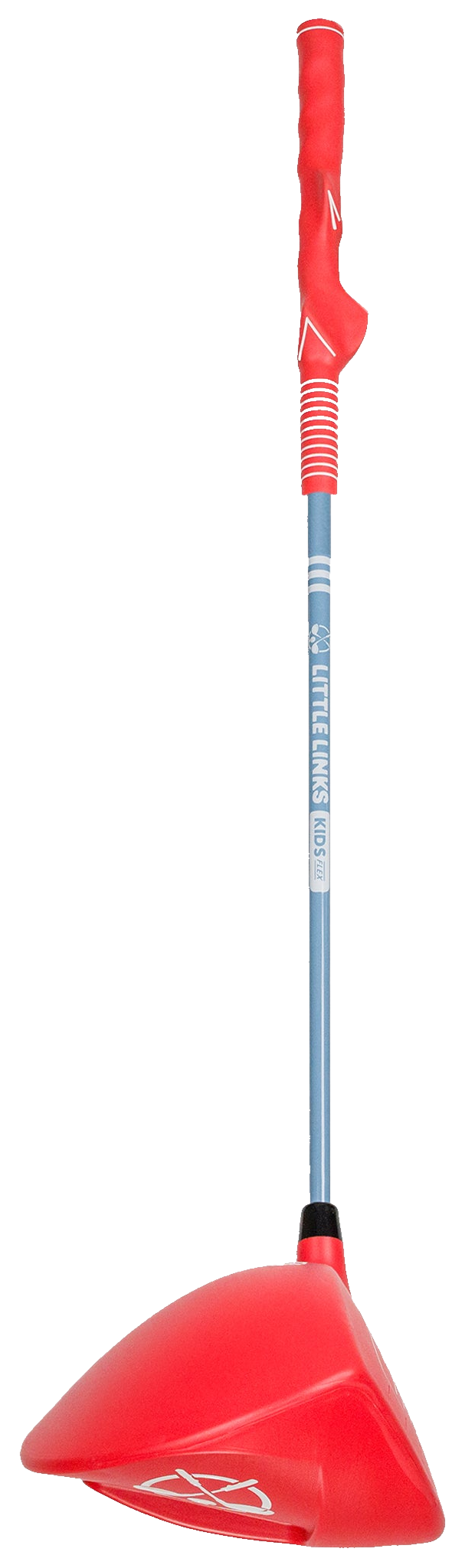
If your child's coach provides clubs, use those for the lesson. If they recommend a driver for home practice, check the Big Swing Driver's size and swing-side options together. Ask for one simple activity to try before the next lesson.
More help: kids golf club size by age · what age should a child start golf
What to do after the first lesson
Ask the coach for one simple thing to repeat before the next session. That might be a setup cue, a grip routine, a putting game, or a short range plan. Keep it short enough that your child still wants another turn.
If the coach gives a hand-placement cue, the Clubhouse guide to how kids should hold a golf club can help parents understand the basics without turning home practice into a second lesson.
You can also browse more Clubhouse guides when the next parent question is about starting age, sizing, grip, or practice setup.
FAQ
What should kids bring to a first golf lesson?
Bring comfortable clothes, water, sunscreen for outdoor lessons, a small snack if the program allows it, and a right-sized club only if the coach or program asks for one. Confirm equipment rules before buying a full junior set.
Does my child need golf clubs for a first lesson?
Not always. Some beginner programs provide clubs or rental equipment, while others ask kids to bring their own. Ask the coach before the lesson. If your child needs a club, choose one that fits their height, handedness, and current stage.
What should my child wear to a golf lesson?
Choose comfortable clothes that let the child move, plus athletic shoes or golf shoes if they already have them. For outdoor lessons, plan for sun, weather, and water.
Should parents stay and watch a first golf lesson?
Ask the coach what works best for the program. If parents watch, the goal is to stay calm and supportive, not coach from the side. A child should hear one lead voice during the lesson.
What should I ask a junior golf coach before the lesson?
Ask what to bring, whether clubs are provided, where to meet, how long the session lasts, whether parents should watch, and what the coach wants the child to practice afterward.
How do I prepare my child for a first golf lesson?
Keep the preview simple. Tell the child they will meet a coach, learn a few golf basics, take turns, and try some swings or short-game activities. Avoid promising perfect shots or turning the lesson into a test.
How long should a first golf lesson be for kids?
Follow the program schedule, but watch your child's energy and attention. For a young beginner, the first session should feel short, clear, and positive enough that they want to come back.
What should kids practice after their first golf lesson?
Ask the coach for one simple follow-up cue. That might be a setup habit, a grip routine, a putting game, or a few short supervised swings. Keep it brief so practice still feels fun.
What counts as a good first golf lesson for kids?
A good first lesson usually means the child felt safe, listened to one or two simple cues, tried the activities, and left with enough interest to come back. It doesn’t need to produce perfect contact.