
Quick answer
Most beginners can start with one club. Add a putter for rolling games or another club when your child wants to try different shots. If they're starting lessons, ask the coach what they'll need. You don't have to buy a full bag before your child has enjoyed their first swing.
Why parents think golf starts with a full bag
Golf looks like a full-set sport. Adults carry drivers, irons, wedges, putters, balls, tees, gloves, towels, and bags. It’s easy for a parent or grandparent to assume a child needs a smaller version of the same setup before the first real swing.
Most beginner kids need a smaller decision. The first question is not, "What bag should we buy?" It’s, "What club lets this child do one safe, repeatable golf activity today?"
If the job is full-swing contact in the backyard, at a range, or in another supervised space, one well-fitting club can be enough. If the job is playing short holes, learning putting, or following a coach's lesson plan, the child may need more than one.
One club can be enough at the start
A first golf session should not feel like equipment management. A young beginner is already processing a safe swing space, a ball, a target, a grip, and a parent giving directions. Adding five or more clubs can create extra choices before the child understands what each club is for.
Let the bag grow with the games your child plays. One club can be enough for first swings; other shots may call for a putter, iron, or wedge.
The first-club rule
Start with the smallest setup that lets the child practice safely, understand the goal, and want another turn.
How many clubs kids need by stage
Use this as a parent starting point, not a rule for every junior golfer. A coach, program, or course may ask for a different setup.
| Stage | Useful club count | Why |
|---|---|---|
| First full swings | One right-sized club | Keeps the session simple and focused on safe contact. |
| Rolling games or green practice | One putter, or a putter plus one swing club | Adds a different shot type without turning the setup into a full bag. |
| Lessons or regular range practice | Small starter setup if the coach asks for it | Lets the child learn different ball flights while still keeping choices limited. |
| Short course play | Several clubs when needed | Course play may require tee shots, short shots, and putts. |
When a full junior set starts to make sense
A fuller junior set can make sense when the child is doing more than practice hitting the ball. If the child is taking lessons, visiting the range often, playing short holes, or asking why different shots need different clubs, the extra clubs have a job.
Before adding clubs, ask whether your child will use them in the games or lessons they’re doing now. Extra equipment can wait until there’s a reason for it.
If a full set makes the child feel excited, organized, and ready for lessons, it may be right. If it makes the parent carry more gear while the child only wants three swings, start smaller.
Fit matters before club count
One bad-fit club is not better than five bad-fit clubs. Before choosing the number of clubs, check whether each club is built around the child.
- Length: the child can stand naturally without reaching or crouching.
- Weight: the child can lift, set, and swing the club calmly.
- Handedness: the club matches the child's right- or left-handed setup.
- Grip comfort: both hands can sit together without fighting the handle.
- Practice setting: the club matches the space and ball type being used.
U.S. Kids Golf fitting guidance starts with player height and swing side, then separates equipment by development level. That supports a simple buying order: choose fit and practice plans first, then decide how many clubs are necessary.
Common full-set mistakes
Parents usually overbuy for understandable reasons. They want the child to feel prepared, they want the gift to look complete, or they want to avoid replacing gear later.
The common mistake is buying for a future version of the child instead of today's practice setting. Golf Monthly's junior golf mistakes guide is useful coach commentary here: mismatched beginner equipment and adult assumptions can make early golf harder than it needs to be.
Before buying a set, ask this
Will my child use these extra clubs this month, or am I buying them because golf feels incomplete without a bag?
Start with what your child will use
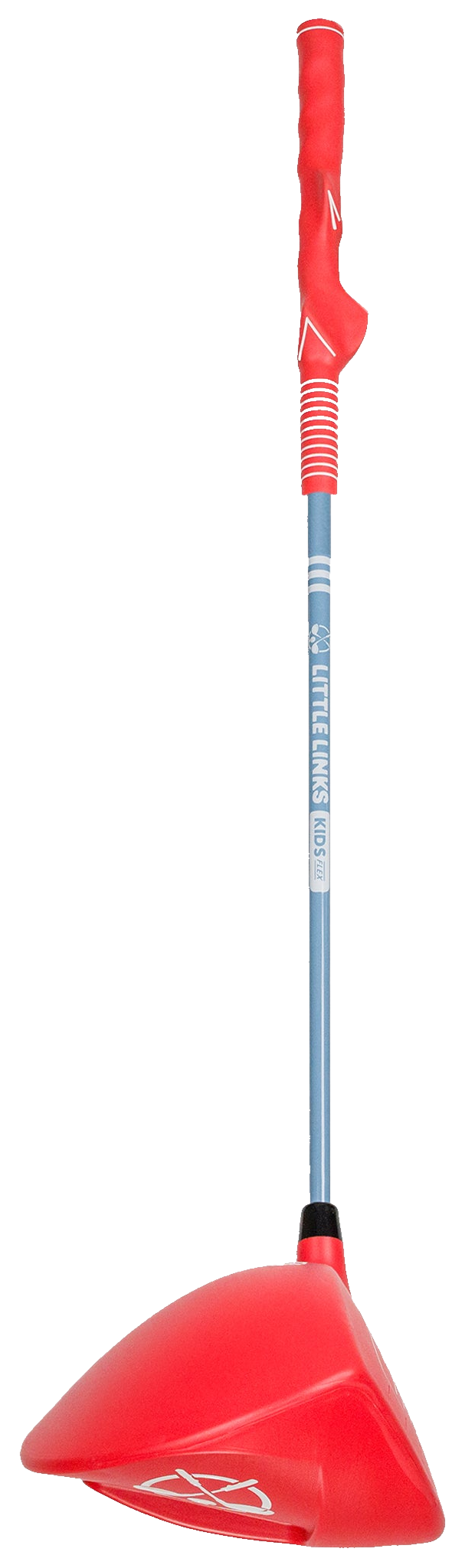
If your child's first activity is hitting from a tee, the Big Swing Driver can be that first club. Check the size chart and swing side, then add other clubs as new games, lessons, or course visits call for them.
More help: what golf club a child should use first · kids golf club size by age · whether kids can use adult golf clubs
What to try next
Start with one club when the child is new, the goal is simple contact, and the practice space is controlled. Add a putter when rolling games or green practice become part of the routine. Add irons, wedges, or a small set when lessons, range sessions, or course play create a real need for more shots.
The right starting setup is the one your child can use safely today and still want to pick up tomorrow.
FAQ
Do kids need a full set of golf clubs?
Most young beginners don’t need a full set of golf clubs. One right-sized club can be enough when the goal is supervised contact practice, short sessions, and making the first swings feel manageable.
How many golf clubs does a beginner kid need?
A beginner kid may need one club for early full-swing practice, two or three clubs when putting and short shots become part of the session, and more clubs when lessons or course play require different shot types.
Should I buy one kids golf club or a junior set?
Buy one kids golf club when the child is just learning to swing in a simple setting. Consider a small junior set when the child is taking lessons, visiting the range often, or starting to play short holes where different shots are needed.
Does a toddler need a golf club set?
Most toddlers don’t need a golf club set. They usually need close supervision, a safe space, a simple ball choice, and one club they can hold and swing without the session becoming complicated.
When should kids add a putter or iron?
Add a putter when the child wants rolling games or green practice. Add an iron or wedge when lessons, range practice, or short course play include smaller targets and shorter shots.
Where does the Little Links Big Swing Driver fit?
If your child's first activity is hitting from a tee, the Big Swing Driver can be that first club. Check the size chart and swing side, then add other clubs as new games, lessons, or course visits call for them.