
Quick answer
Choose the practice ball for the space you're using. Foam balls work for gentle taps and close targets when there's room for the club and the ball. Lightweight plastic balls can suit supervised outdoor practice. Save real golf balls for a range, course, or practice area designed for them.
The ball changes the whole practice session
Parents often think the first equipment decision is the club. The ball matters just as much, because it decides where a child can practice, how much feedback they see, and how much pressure the session carries.
U.S. Kids Golf's Early Start material points parents toward plastic or foam balls for yard practice. That keeps the first few sessions focused on a simple goal: help the child make contact, stay controlled, and want another turn.
Keep it simple
Choose the ball for the space first, then choose the practice goal.
Foam, plastic, or real balls?
Use the ball that matches the setting. A real golf ball may make sense at a range. It usually doesn’t need to be the first ball a young child hits in a hallway, garage, small yard, or shared family space.
| Practice ball | Where it fits | Best parent use |
|---|---|---|
| Foam practice ball | Gentle indoor touches, close backyard targets, first-swing games, and short sessions. | Use it when the goal is calm contact and a positive first routine. |
| Lightweight plastic practice ball | Open backyard practice, range warmups, and supervised outdoor games. | Use it when the child is ready to see a little flight without jumping straight to real balls. |
| Real golf ball | Driving range, lesson bay, course practice area, or another space made for real ball flight. | Use it when the space, supervision, and child control are ready for real golf balls. |
When foam golf balls make sense
Foam is the low-pressure starting point. It’s useful when the child is learning what a swing feels like, when the target is close, or when the parent wants the session to stay short and easy.
For very young players, the point is not adult-style ball flight. HealthyChildren.org notes that younger children often need fun, safety, appropriate equipment, flexible rules, and limited instruction. Foam-ball games fit that kind of first swing better than a bucket of real balls in a space that was never built for them.
- Use foam for gentle indoor touches, garage net games, and close backyard targets.
- Keep the goal simple: touch the ball, brush the tee, or roll it to a target.
- Stop before the session turns into repeated full-speed misses.
When plastic golf balls make sense
Lightweight plastic practice balls can be useful when a child wants to see more feedback outside. They can show direction and some flight without asking a young beginner to start with a real golf ball in a family yard.
A general practice-ball comparison such as Golf Influence's foam-vs-plastic guide is useful for understanding that foam and plastic balls behave differently. For a Little Links parent, the practical question is still simpler: does this ball fit the space and the child's control today?
Plastic-ball cue
Use plastic when you want a little more outdoor feedback, not when the yard is tight, crowded, or hard to control.
When real golf balls belong in the session
Real golf balls belong in places designed for them. A driving range, lesson bay, or course practice area gives a parent and child a clearer hitting direction, more space, and a setting where real ball flight is expected.
Let your child get comfortable with gentle practice first. There’s no need to bring out real golf balls before you have a suitable place to use them.
If your child is ready for the range, pair this article with how to take a kid to the driving range. If you’re still practicing at home, use the backyard golf safety checklist first.
Practice balls with your Big Swing
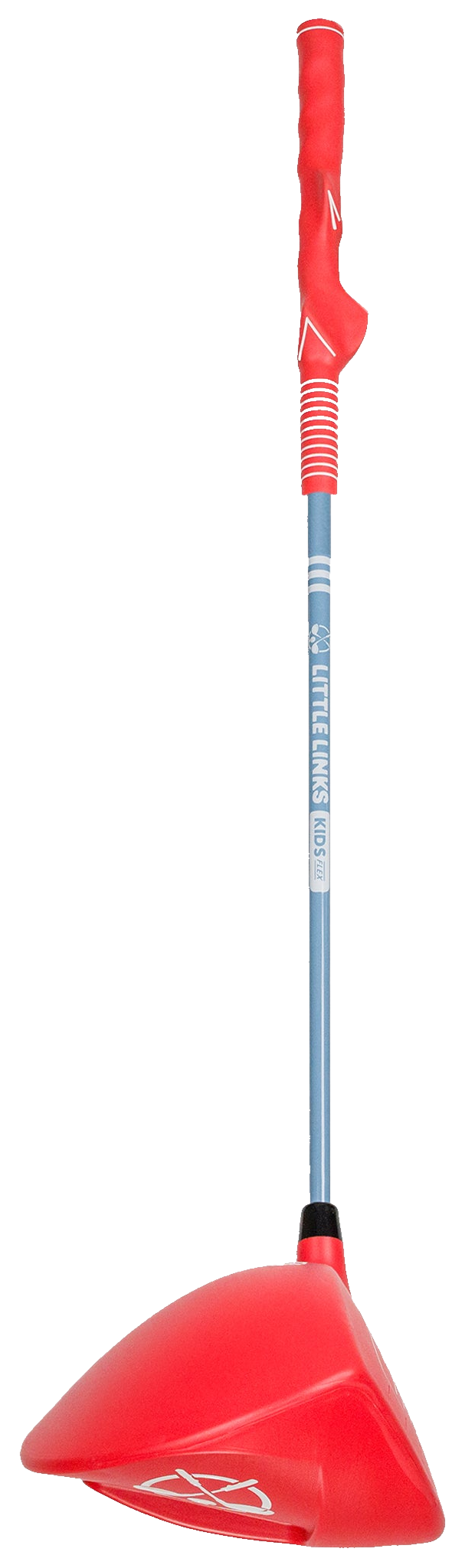
The Big Swing Driver includes foam and plastic practice balls. Start with the ball that suits your space and the game you're playing. Check the product page for the current kit contents before ordering.
More help: kids golf club size by age · how high kids should tee a golf ball
What to avoid
The wrong ball can turn a good first swing into a tense session. Keep the setup narrow and parent-controlled.
- Do not use real balls in a tight yard just because the child wants the practice to feel official.
- Do not choose the ball by age alone. Match it to space, control, and supervision.
- Do not turn foam practice into a fake lesson. Use it for simple contact and confidence-building routines.
- Do not treat practice balls as a substitute for supervision. An adult still controls the hitting area, target, and stopping point.
Choose the ball for the child, club, and space you have today. If a missed shot could cause a problem, change the activity or move somewhere more suitable.
FAQ
Should kids practice with foam or plastic golf balls?
Most young beginners can use both. Foam balls are the lower-pressure choice for gentle indoor touches, close targets, and first-swing games. Lightweight plastic balls can give a little more outdoor flight feedback in an open, supervised space.
Can kids hit real golf balls in the backyard?
Use real golf balls only when the space is built for real ball flight and an adult is supervising. For most yards, foam or plastic practice balls are the better starting point because the session can stay focused on contact, control, and fun instead of distance.
What ball should a toddler use for golf practice?
A toddler should usually start with a foam or lightweight plastic practice ball in a short, supervised session. The goal is simple contact and a positive routine, not full-speed ball flight.
When should a child use real golf balls?
A child can move toward real golf balls when they’re in a supervised range, lesson bay, course practice area, or another setting designed for real ball flight. They should also understand basic swing-space rules before real balls become part of the session.
What golf balls come with the Little Links Big Swing Driver?
The Big Swing Driver includes foam and plastic practice balls. Start with the ball that suits your space and the game you're playing. Check the product page for the current kit contents before ordering.
Do practice golf balls help kids make better contact?
Practice balls can make the session easier to control, but they don’t promise contact by themselves. The better setup is a ball that fits the space, a right-sized club, one simple goal, and adult supervision.